
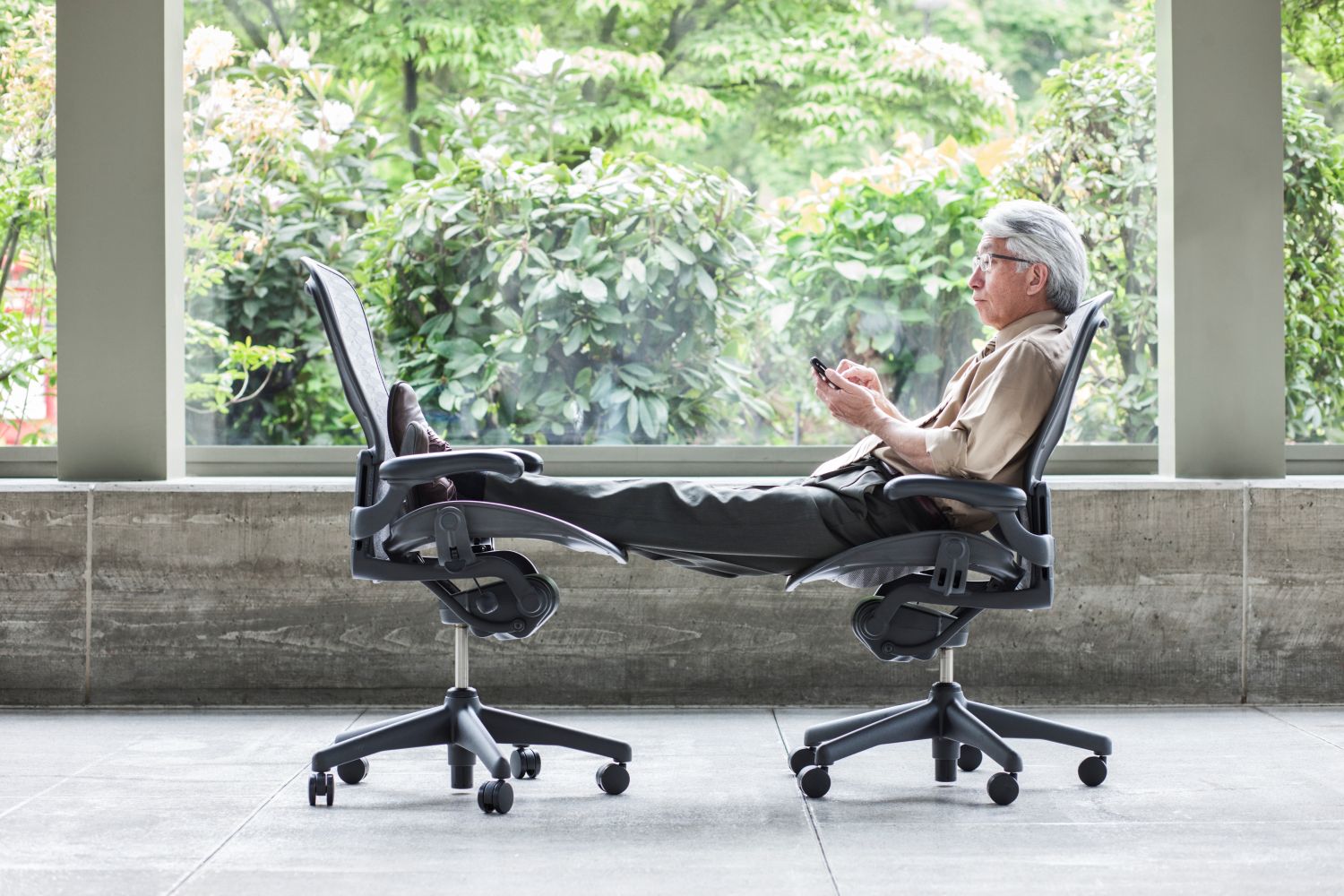
As the modern workplace continues to evolve, so do the needs and expectations of employees regarding comfort and well-being. With increasing awareness of the impact of ergonomics on health, the demand for health-focused office furniture has surged. Among these innovations, ergonomic chairs designed to promote better posture, reduce discomfort, and enhance productivity are at the forefront. This article explores the next generation of health-focused office furniture, specifically chairs that care, and how they contribute to a healthier, more productive work environment.
1. The Importance of Ergonomics
Understanding Ergonomics
Ergonomics is the science of designing workspaces and equipment to fit the user’s needs, optimizing comfort and efficiency. In the context of office furniture, ergonomic design aims to reduce strain on the body, particularly the back, neck, and wrists, which can lead to long-term health issues such as musculoskeletal disorders.
The Impact of Poor Posture
Prolonged sitting in poorly designed chairs can lead to a host of health problems, including:
- Back Pain: Poor lumbar support can cause discomfort and chronic back pain.
- Neck Strain: Inadequate head and neck support can lead to tension and pain.
- Carpal Tunnel Syndrome: Incorrect desk height and chair design can contribute to wrist strain and repetitive stress injuries.
2. Features of Health-Focused Office Chairs
1. Adjustable Elements
Overview: Next-generation office chairs often feature multiple adjustable components, allowing users to customize their seating experience. Key adjustments include:
- Seat Height: Users can adjust the height to ensure their feet are flat on the ground and knees are level with hips.
- Backrest Angle: Adjustable backrests allow users to find the optimal angle for comfort and support.
- Armrest Height and Width: Armrests can be adjusted to support the arms and reduce strain on the shoulders.
2. Lumbar Support
Overview: Many ergonomic chairs come with built-in lumbar support or adjustable lumbar features that promote proper spinal alignment.
Benefits:
- Reduces Back Pain: Proper lumbar support helps maintain the natural curve of the spine, reducing the risk of discomfort and pain.
- Encourages Good Posture: With adequate support, users are less likely to slouch, promoting healthier sitting habits.
3. Breathable Materials
Overview: The choice of materials in health-focused chairs is crucial for comfort, especially during long hours of use. Look for:
- Mesh Fabric: Breathable mesh allows for airflow, helping to regulate temperature and reduce sweating.
- High-Quality Foam: Memory foam or high-density foam provides comfort and support while conforming to the body’s shape.
4. Mobility and Stability
Overview: Chairs that are easy to move and stable are essential in dynamic work environments. Key features include:
- Swivel Base: A swivel base allows users to turn and reach different areas of their workspace without straining.
- Casters: Smooth-rolling casters enable easy movement across the floor while providing stability.
3. Health Benefits of Ergonomic Chairs
1. Improved Posture
Investing in an ergonomic chair encourages better posture, which can lead to a healthier spine and reduced risk of chronic pain. Improved posture also enhances breathing, digestion, and overall well-being.
2. Increased Productivity
Comfortable seating allows employees to focus on their tasks without the distraction of discomfort. Studies have shown that ergonomic furniture can lead to increased productivity and job satisfaction, contributing to a more positive work environment.
3. Enhanced Focus and Creativity
When employees are comfortable and pain-free, they are more likely to engage in their work, leading to improved focus and creativity. A well-designed workspace promotes a sense of well-being that can inspire innovative thinking and problem-solving.
4. Choosing the Right Health-Focused Office Chair
1. Assess Your Needs
Consider your specific needs and preferences when selecting an ergonomic chair. Factors to consider include:
- Body Type: Different chairs may cater to various body types, so choose one that provides adequate support.
- Work Style: Consider how you work—do you need a chair with more mobility, or do you prefer a stationary design?
2. Test Before You Buy
If possible, test the chair before purchasing. Sit in it, adjust the features, and assess how comfortable it feels. Pay attention to lumbar support, seat depth, and armrest height.
3. Research Brands and Models
Look for reputable brands known for their ergonomic designs and quality. Read reviews and seek recommendations from colleagues or online forums to find chairs that meet your needs.
Conclusion
Investing in health-focused office chairs is a crucial step toward creating a comfortable and productive work environment. By understanding the importance of ergonomics, evaluating the features of next-generation chairs, and considering individual needs, businesses and employees can enhance their overall well-being and performance. As we continue to adapt to changing work dynamics, prioritizing comfort and health in the workplace will lead to happier, healthier, and more productive teams. Embrace the opportunity to transform your workspace with ergonomic solutions that truly care for your body and mind.